
-
Janhit Paryavaran Social Work Society
- Home
- About
- ID Card
- Links
- CrawdFunding
- Donors
- Gallery
- Volunteer Apply
- Member Apply
- Login
- Contact
80G & 12A
Registered NGOGovt Certified
Janhit Paryavaran Social Work Society - Building Stronger Communities Together
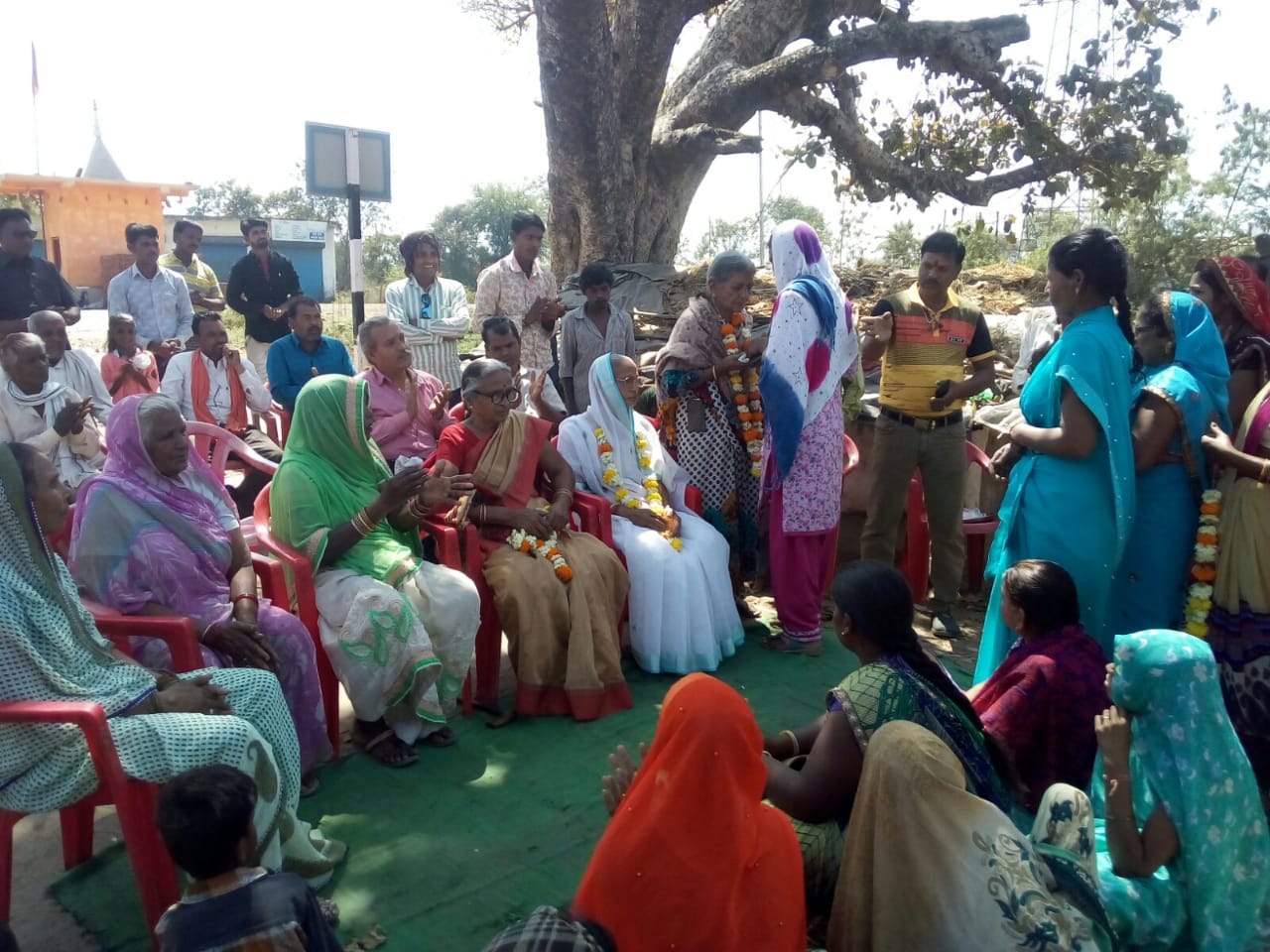
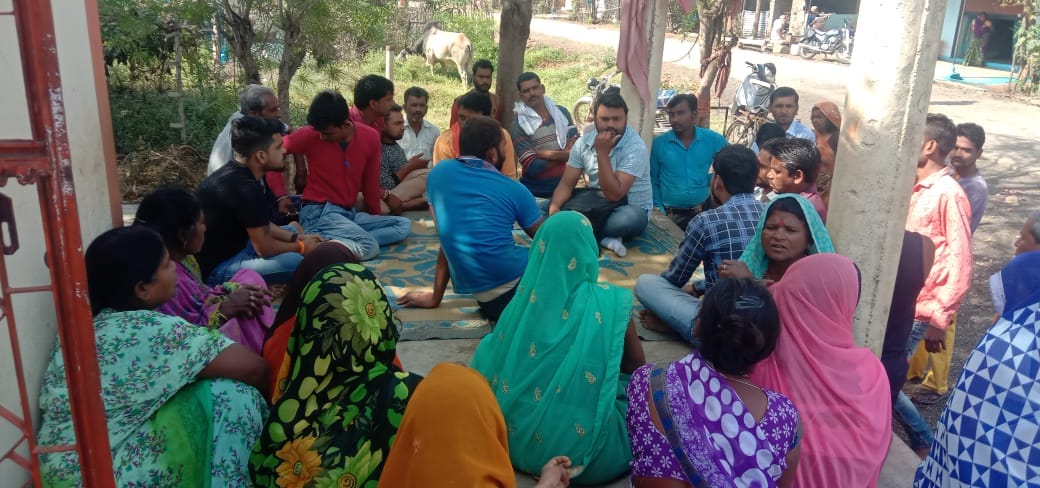
Janhit Paryavaran Social Work Society is a grassroots organization committed to creating real, lasting change at the community level. We take on challenges that directly impact everyday lives, driving local development through infrastructure support, livelihood programs, and collective welfare initiatives.
How We Bring Change
We address the most pressing issues in underprivileged societies through a multidimensional approach — education, healthcare, nutrition, and livelihood empowerment.
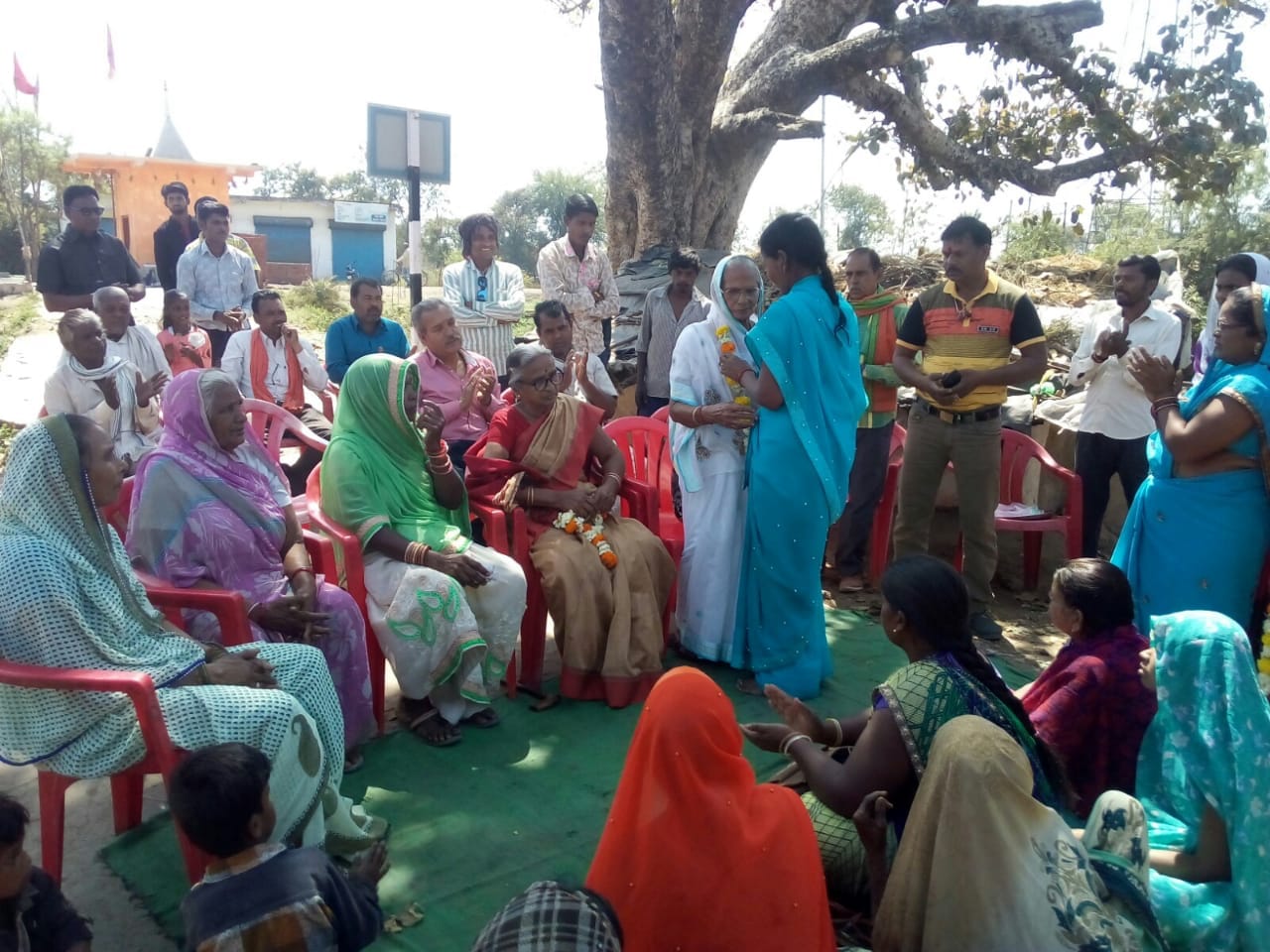
Community Projects
Driving local development through infrastructure support, livelihood programs, and collective welfare initiatives.
ExploreChild Education
Ensuring every child has access to learning, resources, and opportunities to build a better future.
ExploreWomen Empowerment
Providing skills, training, and support to help women become self-reliant and lead change.
ExploreAgriculture
Promoting sustainable farming, modern techniques, and farmer welfare for food security.
ExploreMedical & Health
Organizing health camps, medical aid, and awareness for better healthcare access.
ExploreWater & Plantations
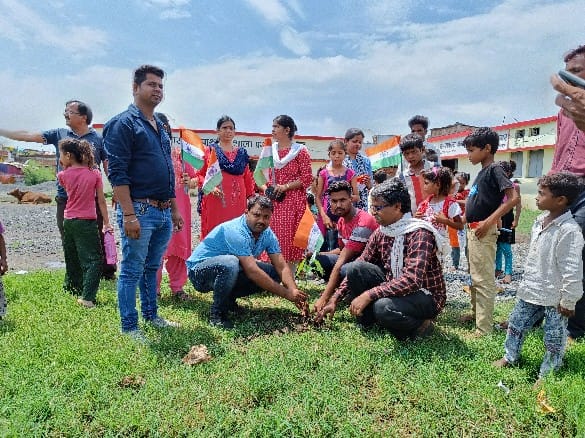
Working on clean water solutions, conservation, and large-scale plantation drives for a greener tomorrow.
ExploreAwareness Programs
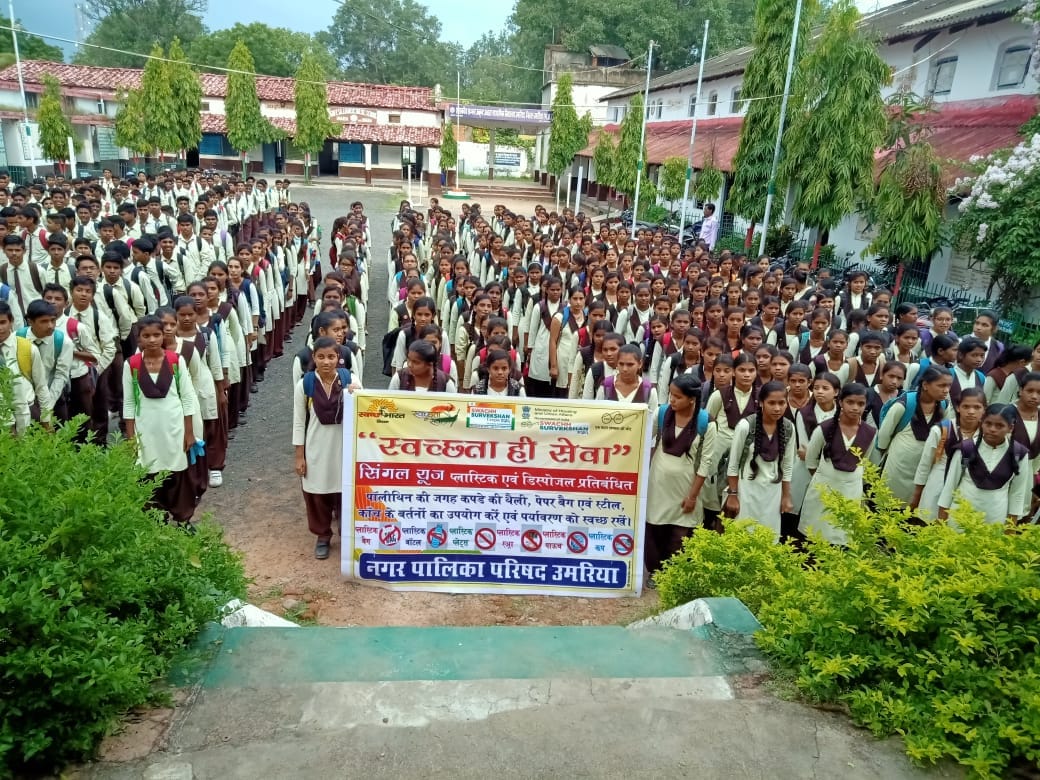
Educating communities on health, hygiene, environment, and social issues.
ExploreCrowdfunding Campaigns
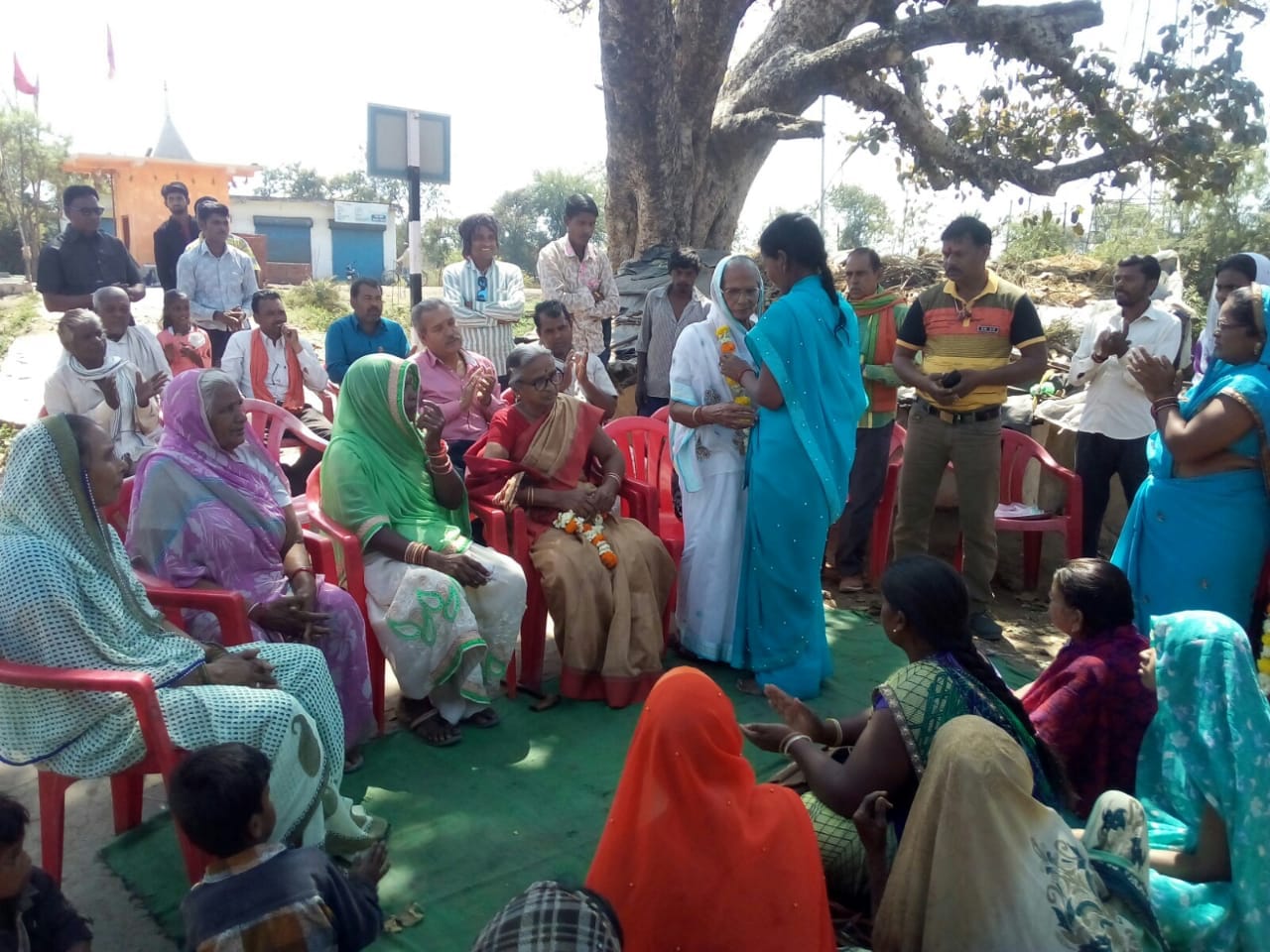
Fund vocational training for 200 rural women.
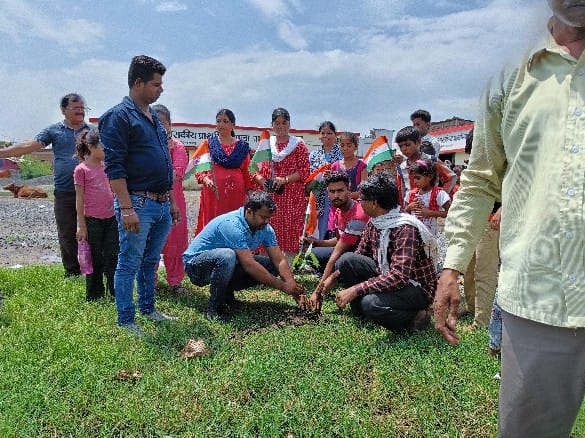
Planting 10,000 saplings in deforested areas.
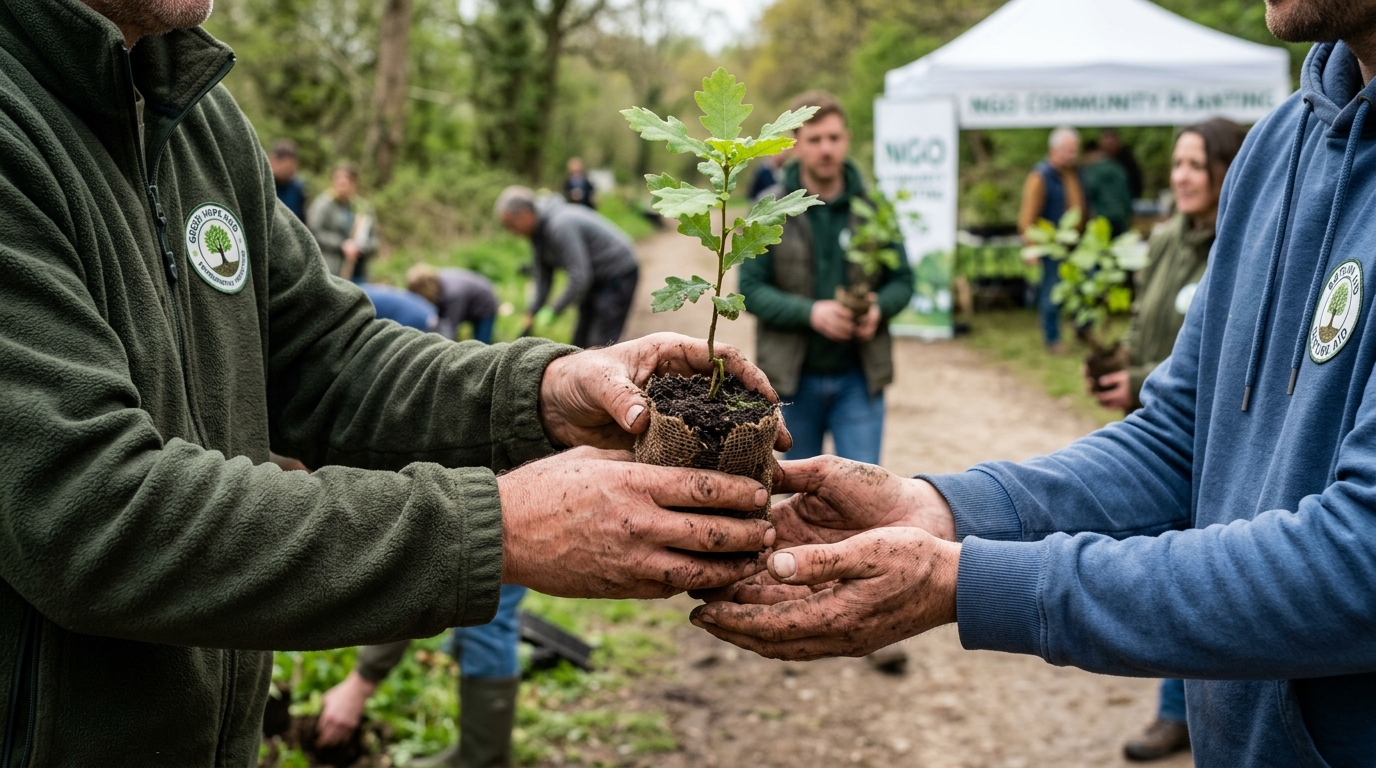
Fund the education of 100 orphaned children for a year.
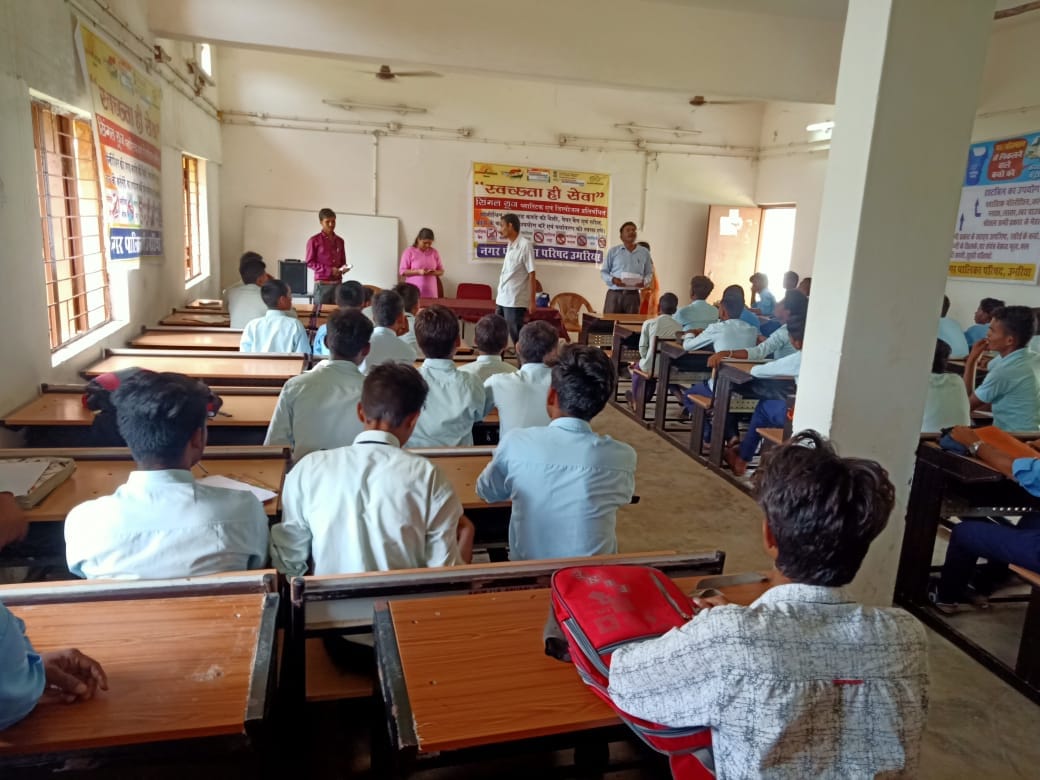
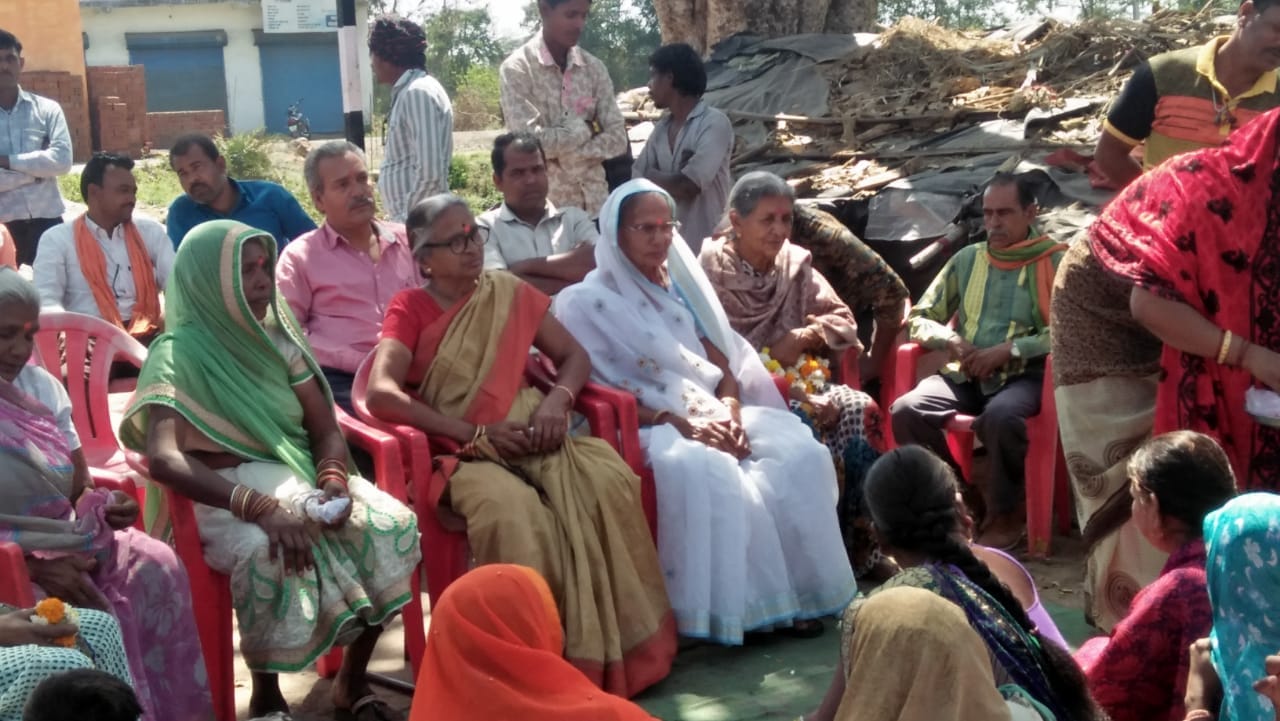
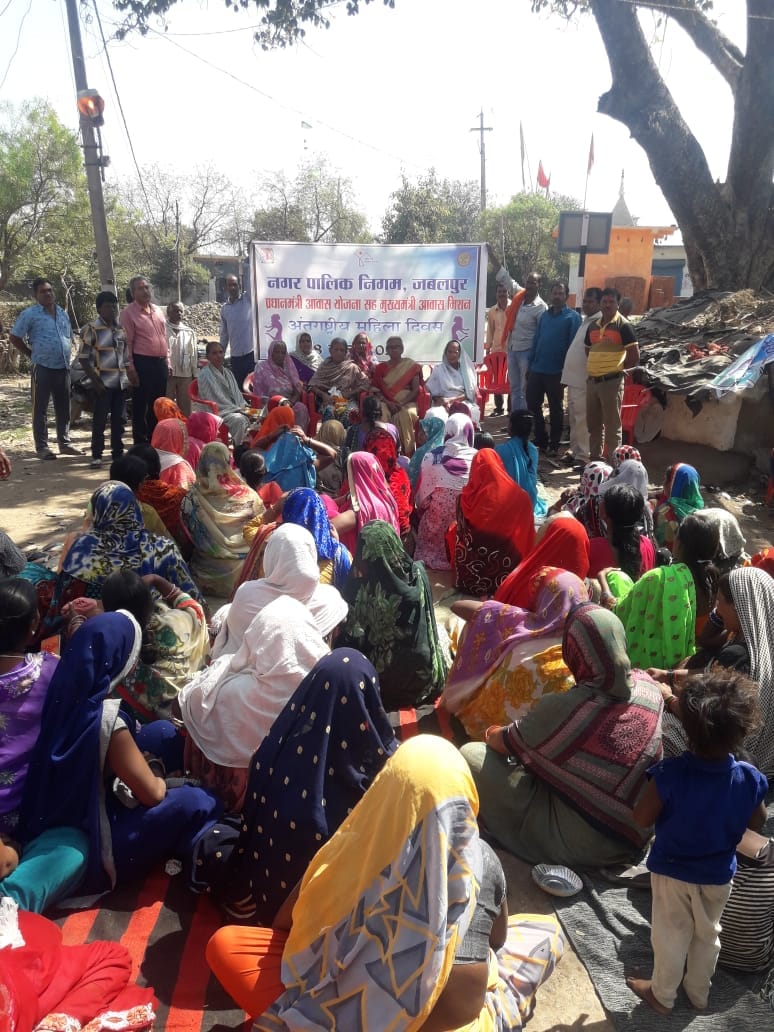
Registered Trust Credentials
CSR-1 Certified
Registered with Ministry of Corporate Affairs for CSR Activities.
NITI Aayog
Registered NGO Portal UID: BR/2023/0342XXX. Fully vetted.
80G & 12A Exempt
Income Tax Dept registered. Donations qualify for tax exemptions.
ISO 9001:2015
Internationally recognized trust standards & operational efficiency.
Voices of Impact
Hear from the people whose lives we've touched and the partners who stand with us.
“Working with Janhit Paryavaran has been a fulfilling experience. The management is transparent and they truly reach the most vulnerable populations.”

Dr. Jatin
Volunteer Doctor“The Janhit Paryavaran NGO gave me high-yield seeds and taught organic farming. My income has doubled!”
Ramesh Kumar
Local Farmer“Working with Janhit Paryavaran has been a fulfilling experience. The management is transparent and they truly reach the most vulnerable populations.”